
-1.jpg "DS200KLDBG1ABC(2)")
-1.jpg "DS200KLDBG1ABC(1)")
Description
Many products are not yet on the shelves. Please contact us for more products.
If the product model is inconsistent with the display picture, the model shall prevail. Please contact us for specific product pictures, and we will arrange to take photos in the warehouse for confirmation.
We have 76 shared warehouses around the world, so sometimes it may take several hours to return to you accurately, please understand. Of course, we will respond to your concerns as soon as possible.
Ship PCB cards are a vital component of ship electronic systems. As key modules on printed circuit boards (PCBs), they undertake core functions such as signal processing, data transmission, and control command execution.
Core features of ship PCB cards
Environmental adaptability
Anti-corrosion: Ships are in high salt fog and humid environments for a long time. PCBs need to use three-proof coatings (moisture-proof, salt fog-proof, and mildew-proof) or special materials (such as polyimide substrates) to prevent corrosion.
Vibration resistance: Ships vibrate violently during navigation. PCBs need to ensure stability through reinforcement design (such as adding support points and using shock-proof brackets) and optimized layout (avoiding sensitive components from being close to vibration sources).
Wide temperature operation: Ships may experience extreme cold (Arctic navigation) or high temperature (cabin environment). PCBs need to support a temperature range of -40℃ to +85℃ or even wider.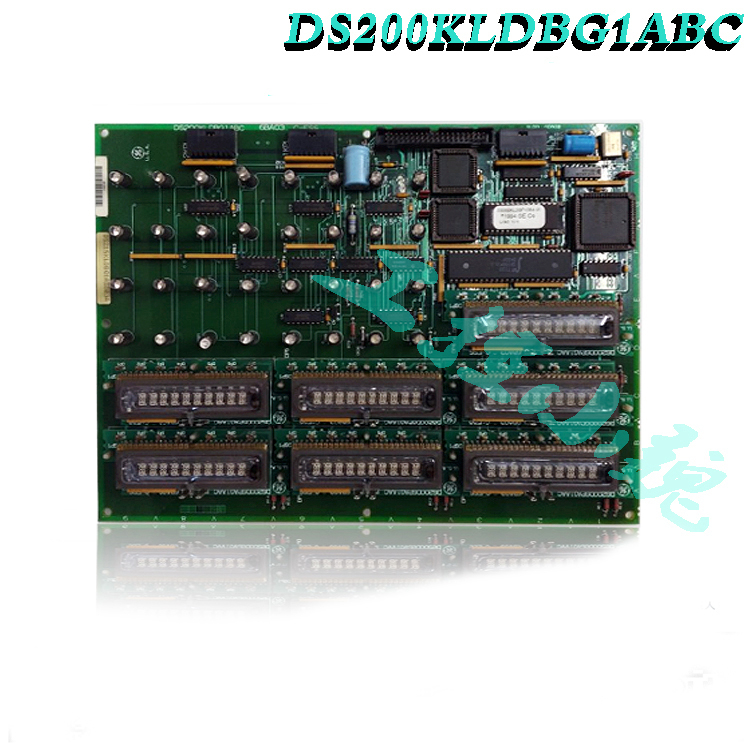
High reliability requirements
Redundant design: PCB cards for key systems (such as navigation and power control) often use redundant circuits to ensure that single-point failures do not affect overall functions.
Anti-electromagnetic interference (EMI): Ships are densely populated with electronic equipment, and PCBs need to reduce electromagnetic interference through shielding design (such as metal housing, grounding layer optimization) and filtering circuits.
Long life cycle: Ship maintenance costs are high, and PCBs need to be designed for a service life of more than 10 years to reduce replacement frequency.
Standardization and certification
It must comply with international standards (such as IEC 60945 “General Requirements for Maritime Navigation and Radio Communication Equipment and Systems”), classification society specifications (such as DNV GL, LR, ABS) and explosion-proof certification (such as ATEX, IECEx) to ensure safety and compliance.
High reliability:
The long-term operation requirements of ships can be met through the selection of military-grade or industrial-grade components.
Use triple-proof coating (moisture-proof, salt spray-proof, and mildew-proof) to protect the circuit board.
Strong anti-interference ability:
Optimize PCB layout to reduce electromagnetic interference (EMI) and signal crosstalk.
Meet the electromagnetic compatibility (EMC) requirements of international standards (such as IEC 60945 and DNV GL).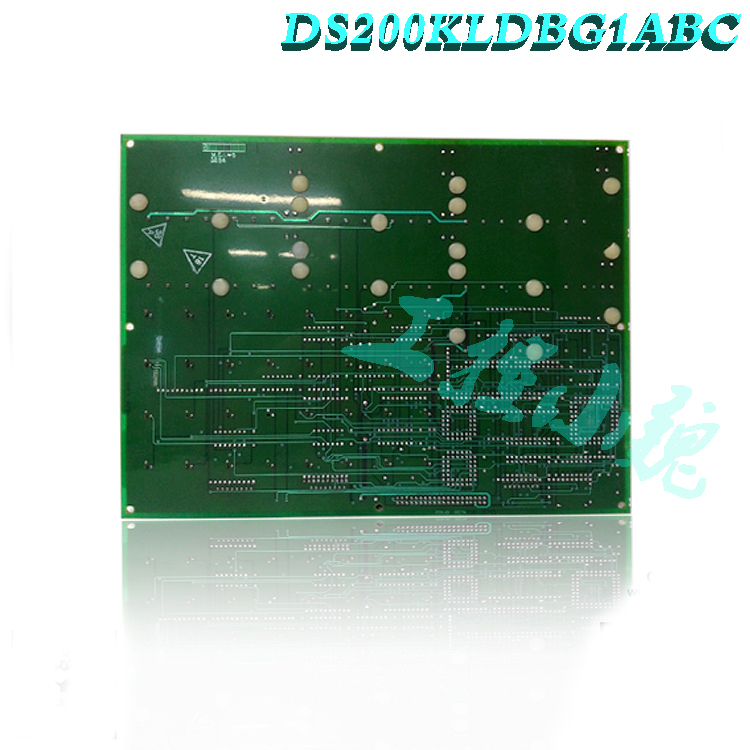
Modular design:
Supports hot-swap and quick replacement for easy maintenance and upgrade.
Standardized interfaces enable seamless integration with other systems.
Environmental adaptability:
Wide operating temperature range (-40℃ to +85℃) to adapt to temperature changes in different areas of the ship (such as the engine room and deck).
Anti-vibration design (such as reinforced mounting holes and shock-absorbing brackets) to cope with mechanical vibrations during ship navigation.
Definition and composition
Ship PCB cards are electronic modules designed based on PCB technology, consisting of the following parts:
Substrate: Special materials that are resistant to high temperature, moisture and vibration (such as FR-4 epoxy glass cloth laminate) are used to adapt to the harsh environment of the ship.
Electronic components: including microprocessors, sensors, communication chips, power devices, etc., to achieve data acquisition, processing, transmission and control functions.
Interface: Provide standardized or customized connection ports (such as CAN bus, RS485, Ethernet) to interact with other ship equipment (such as navigation systems, power systems).
Protection circuit: integrated overvoltage, overcurrent, electrostatic protection and other designs to ensure stable operation under conditions such as ship vibration, salt spray, electromagnetic interference, etc.
Design challenges and solutions
Space constraints:
The internal space of the ship is compact, and the PCB card needs to be miniaturized while ensuring heat dissipation performance.
Solution: Use high-density interconnect (HDI) technology to optimize component layout and heat dissipation path.
Long-term stability:
The life of a ship may exceed 20 years, and PCB cards need to have long-term reliability.
Solution: Select long-life components (such as industrial-grade capacitors) and implement accelerated life testing (ALT).
Standardization and compatibility:
Equipment from different manufacturers needs to be interconnected to avoid “information islands”.
Solution: Follow international standards (such as NMEA 2000, IEC 61162) and adopt an open architecture design.
Development trend
Intelligence:
Integrate AI chips to achieve intelligent functions such as fault prediction and adaptive control.
Networking:
Supports industrial Ethernet (such as PROFINET, EtherCAT) to improve data transmission rate and real-time performance.
Greening:
Uses low-power design to comply with international environmental standards (such as RoHS, REACH).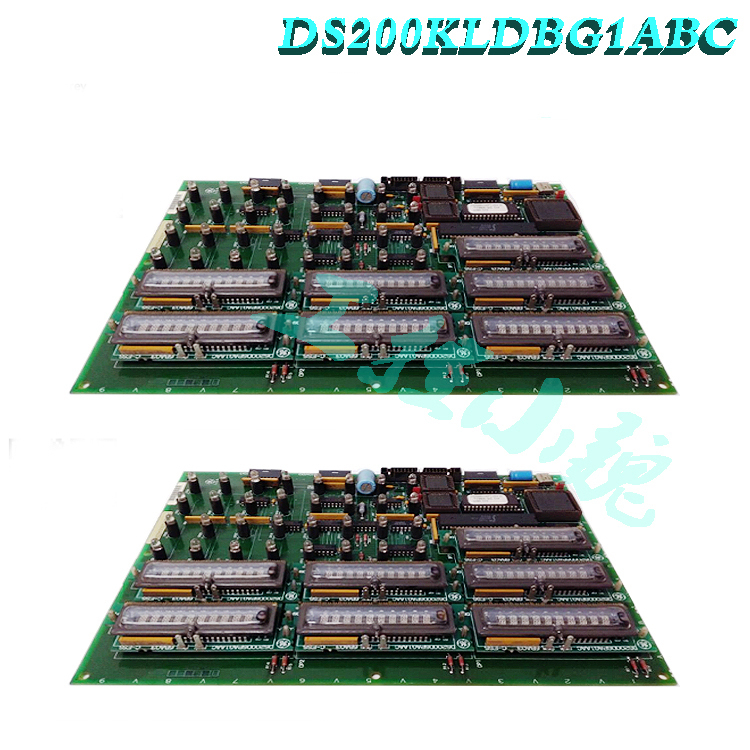
Customization:
Provide customized solutions according to ship types (such as cargo ships, cruise ships, warships) to meet specific needs.
Typical application scenarios of ship PCB cards
Navigation and communication systems
GPS receivers, radars, and automatic identification systems (AIS) signal processing boards require high-precision and low-noise designs.
RF PCBs for satellite communication terminals need to optimize impedance matching and signal integrity.
Power and propulsion control
The PCBs of engine control units (ECUs) and thruster control boards need to process sensor data in real time and drive actuators, with extremely high requirements for timing and response speed.
The PCBs of power management systems (PMS) need to support high voltage and high current switching and have overload protection functions.
Safety and monitoring system
Signal acquisition boards for fire alarm, gas detection, and water immersion sensors require high sensitivity and low false alarm rate.
Storage and transmission boards for video monitoring systems need to support high-resolution video streams and long-term stable operation.
Automation and entertainment system
PLC (programmable logic controller) cards for ship automation control systems need to support multi-protocol communication (such as Modbus, CAN bus).
Multimedia processing boards for cabin entertainment systems need to be compatible with multiple interfaces (HDMI, USB) and audio and video formats.
Case reference
ABB Ability™ Marine Pilot: A ship automation system that integrates advanced PCB cards to achieve unmanned driving assistance functions.
Siemens SIMATIC S7-1500: Industrial-grade PLC cards, widely used in ship power and automation control.
Kongsberg Maritime K-Pos: The core PCB card in the dynamic positioning system ensures accurate positioning of ships in harsh sea conditions.
Ship PCB cards are the “nerve center” of ship electronic systems, and their design must take into account performance, reliability and environmental adaptability. With the development of intelligent and green ships, PCB cards will evolve towards higher integration, stronger computing power and better energy efficiency, providing a solid guarantee for the safe and efficient operation of modern ships.
All products on this website are special products, and the market price has been fluctuating.
The specific quotation is subject to the customer service. Because the product is new, the price is not real.
Please confirm the model and product, price and other details with the customer service before placing an order. The website has been used.
New ones are on sale. Please contact the customer service for communication.
Related product recommendations:
HAGGLUNDS PC-214-1357-803
HAGGLUNDS PC-214-1221-801
HAGGLUNDS PC 214-1327-801
HAGGLUNDS MDC 214-1080-801
HAGGLUNDS 3142845-001-9632-CTS-9616
HAGGLUNDS 3142820-801-3142825-001
HAGGLUNDS 3142820-801
HAGGLUNDS 314-2836-001
HAGGLUNDS 314-2471-801
More……

Reviews
There are no reviews yet.