Description
Many products are not yet available. Please contact us for more information.
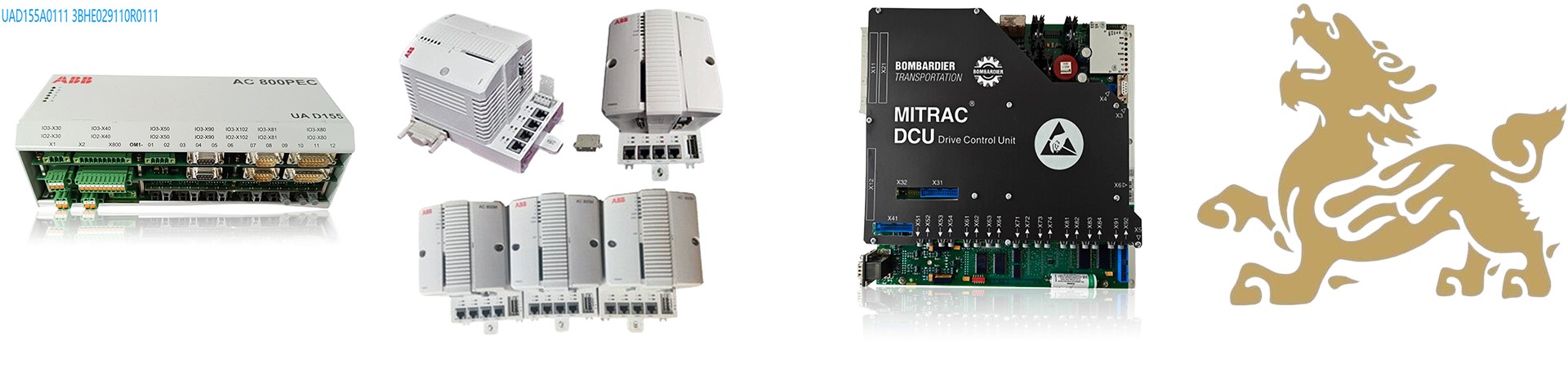
If the product model number differs from the displayed image, the model number will prevail. Please contact us for specific product images, and we will arrange for a photo to be taken at the warehouse for verification.
We have 76 shared warehouses worldwide, so it may sometimes take several hours for us to accurately return your request. We apologize for this. Of course, we will respond to your inquiries as soon as possible.
Signal Processing and Conversion
Receives sensor signals (such as temperature, pressure, liquid level, and speed) and converts them into digital signals for control system analysis.
Outputs control commands (such as PWM signals and switching values) to drive actuators (such as valves, motors, and pumps).
System Integration and Communication
Integrates communication interfaces such as CAN bus, RS485, and Ethernet to enable data exchange with the ship’s navigation, power, and monitoring systems.
Supports redundancy to ensure the reliability of critical systems (such as propulsion control and steering gear).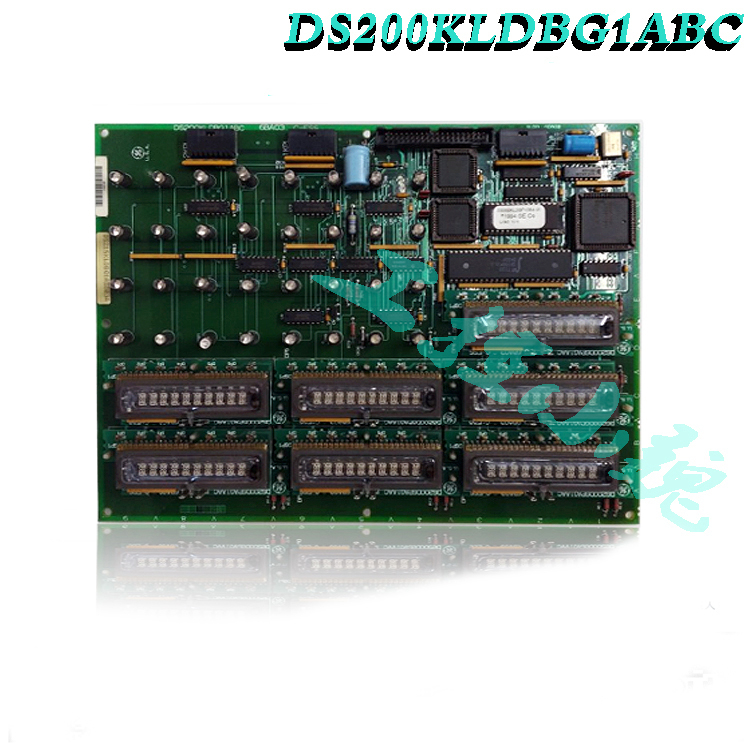
Environmental Adaptability Control
Adjusts equipment operating parameters (such as motor speed and pump flow) to suit different operating conditions (such as navigation, mooring, and emergency mode).
Corrosion and Salt Spray Resistance
Material Selection: Use corrosion-resistant substrates (such as polyimide, PTFE) and immersion gold/immersion silver surface treatments to prevent salt spray corrosion.
Sealing Design: Use conformal coatings (moisture-proof, mildew-proof, and salt spray-proof) or potting processes to protect components.
Vibration and Shock Resistance
Structural Reinforcement: Increase PCB thickness, use plated-through holes (PTHs), and support columns to reduce solder joint loss caused by vibration.
Shock-Isolating Mounting: Isolate vibration sources using rubber pads, spring mounts, and other methods.
Wide Operating Temperature Range
Component Selection: Choose industrial-grade (-40°C to +85°C) or automotive-grade (-40°C to +125°C) components.
Thermal Design: Optimize layout to reduce hot spots and add heatsinks or thermally conductive materials.
Electromagnetic Compatibility (EMC)
Shielding Design: Use metal housings or conductive coatings to isolate high-frequency interference.
Filter circuits: Add ferrite beads and capacitors to the power and signal line inputs to suppress electromagnetic noise.-1.jpg)
Ship control systems are crucial components on ships, responsible for monitoring and controlling various functions and operations.
This includes engine control, navigation systems, communications systems, safety systems, and more.
Printed Circuit Board (PCB):
A PCB is a fundamental component of electronic equipment, used to connect and support electronic components.
It is made of insulating material with conductive copper traces printed on it, which connect the electronic components together to form a circuit.
Ship Control Printed Circuit Board:
This is a PCB designed specifically for ship control systems.
It contains specific circuits and components to meet the unique requirements of ship control systems, such as corrosion resistance, vibration resistance, and stability in high or low temperature environments.
Applications and Functions:
Ship control printed circuit boards are used to control a ship’s engines, steering gear, navigation equipment, communications equipment, and more.
They contain microprocessors, sensor interfaces, communications interfaces, power management circuits, and more.
Design and Manufacturing:
The design of ship control printed circuit boards (PCBs) must take into account the unique environment and requirements of ships.
The manufacturing process requires the use of specialized materials and techniques to ensure the PCB’s reliability and stability in harsh environments.
Typical Application Scenarios
Powertrain Control
Diesel Engine Electronic Control Unit (ECU): Regulates fuel injection and air intake to optimize combustion efficiency.
Electric Propulsion System: Controls inverter output to achieve motor speed and steering.-1.jpg)
Navigation and Communication System
Autopilot: Processes gyroscope and GPS data to control the steering gear to maintain heading.
VHF/DSC Radio: Manages communication protocols to ensure emergency signals are prioritized.
Safety and Monitoring System
Fire Alarm Controller: Analyzes smoke and temperature sensor signals to trigger fire extinguishing devices.
Liquid Level Monitoring System: Displays real-time fuel and water tank status to prevent overflows or leaks.
Case Studies
Wärtsilä Intelligent Control Module: Features a four-layer PCB design, an integrated ARM Cortex-M7 processor, and CAN/Ethernet communication support for marine diesel engine control.
Rolls-Royce MTU Go! System: Enables coordinated engine and propeller control via PCB, reducing fuel consumption by 15%.
All products on this website are special products, and market prices fluctuate.
Please refer to customer service for specific quotes. Since these products are new, prices are not official.
Please confirm model, product, price, and other details with customer service before placing an order. This website is in use.
New products are for sale. Please contact customer service for details.
Related product recommendations:
HRP CONTROLS 72.00.0002.00
HP PN-5064-7429-10-100
HBM-ME30-100293-N-602.02-2120
HONEYWELL TN3801
HONEYWELL 05704-C-0105
HONEYWELL 05704-A-0104
HERNIS SCAN SYSTEMS 22110-D
HERNIS ELECTRONICS 22111-C
HERNIS ELECTRONICS 22022-A
ABB PFSK 138
3BSE016323R3 PFSK163
More……

Reviews
There are no reviews yet.