
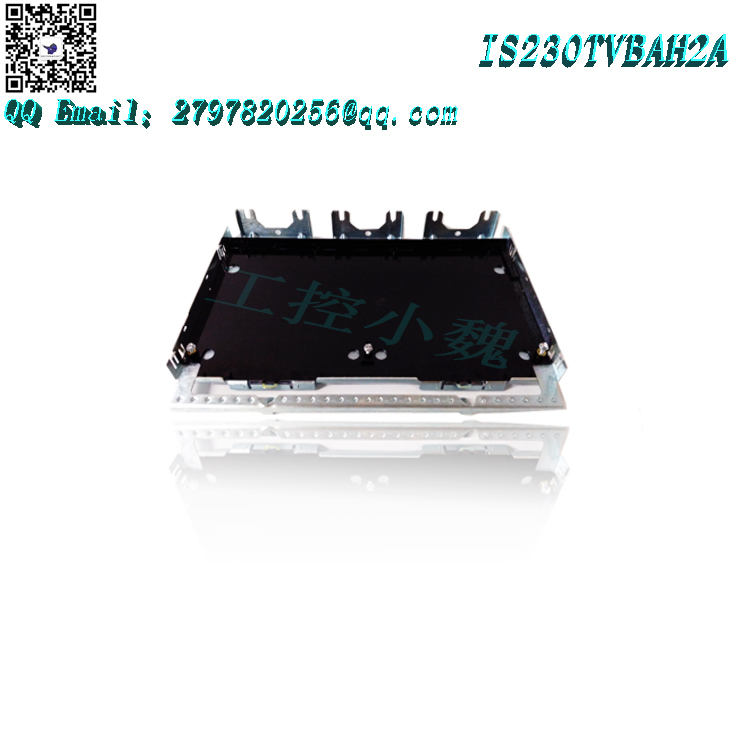
.jpg "IS230TVBAH2A(1)")
.jpg "IS230TVBAH2A(2)")
Description
IS230SNIDH1A – Isolation Digital DIN Rail Module is available in stock and will be shipped on the same day.
IS230SNIDH1A – The isolated digital DIN rail module is in an unused and rebuilt state.
To receive the best discount on IS230SNIDH1A – Isolated Digital DIN Rail Module, please contact us and we will reply to you within 24 hours.
Function Description
IS230SNIDH1A is an isolated digital DIN rail module manufactured and designed by General Electric. It is part of the Mark VIe series used in GE distributed control systems. The Mark VIe is controlled by the Windows 7 HMI. Your existing operators and maintenance station will benefit from the latest HMI/SCADA CIMPLICITY graphics system, which includes simple screen navigation, alarm/event management, and trend analysis tools. Your Windows 7 HMI can run GE’s network security applications, which helps provide security and comply with current and emerging network security standards. This board is capable of handling logical functions and supplying power to various functions within the system. It provides seamless interface functionality with other boards, enhancing its adaptability in complex systems.
Memory components and data storage
Equipped with a powerful set of memory components, similar to those in other innovative PCBs.
These memory components include non-volatile RAM (NVRAM), RAM only attached memory, and flash memory. These components collectively support storing various key information, thereby enhancing the functionality of the circuit board.
Front panel components
The front panel of the board has a large number of components and indicator lights.
LED indicator lights, connectors, diodes, capacitors, resistors, transistors, ferrite beads, integrated circuits, and resistor networks.
IS230SNIDH1A LED indicator light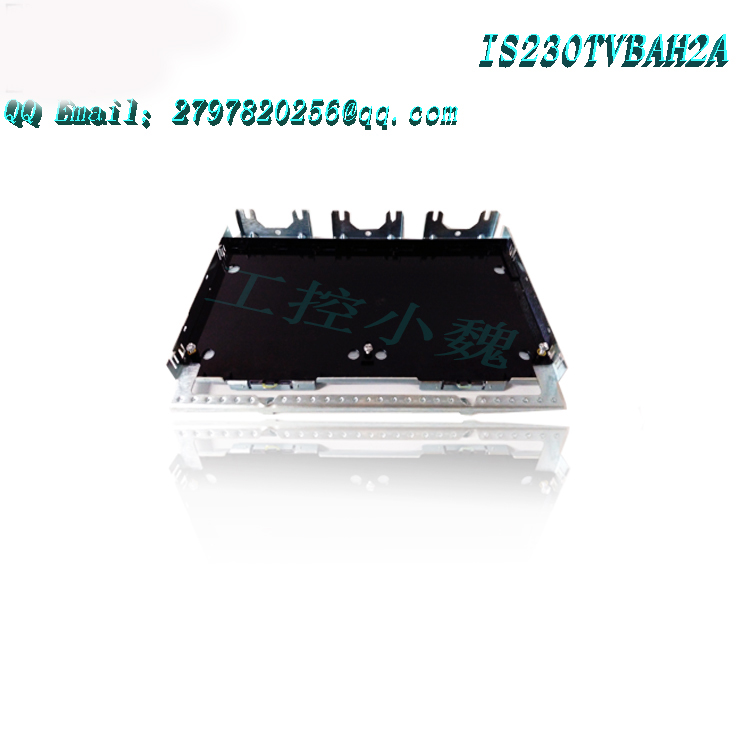
The LED indicators on the front panel of the motherboard (i.e. status and fault LEDs) provide necessary visual cues and play a crucial role in monitoring motherboard performance and diagnosing issues. To ensure effective board monitoring and troubleshooting, it is crucial to understand the significance of these indicators and their various states.
Status LED – Operational Insights:
The status LED is a valuable source of information about the current operating status of a circuit board. It conveys important details through different lighting modes:
Flashing green (during operation):
When the circuit board is running, the status LED usually flashes green.
The flashing green light indicates that the board of directors is operating as expected and is in a state of readiness to complete its expected tasks.
Operators can rely on this instruction to confirm that the board of directors is actively fulfilling its designated functions.
Green always on (circuit board stopped):
A stable green LED indicates that the board has stopped running.
This situation may occur when the motherboard completes its tasks, intentionally pauses, or is in standby mode.-1.jpg)
The stable green light ensures to the operator that the board is in a stationary state and ready to execute the next set of commands or tasks.
Fault LED – Navigation fault occurrence and reset:
The fault LED serves as an important warning system, promptly alerting the operator of any abnormalities or malfunctions in the system. Understanding its behavior during fault occurrence and reset is crucial for effectively troubleshooting:
Red flashing (fault detected):
The flashing red fault LED indicates that the board has detected a fault or abnormality during its operation.
This timely visual prompt can immediately alert the operator to indicate the need for attention and investigation.
The range of faults ranges from minor issues to severe ones, and the flashing red light ensures that no potential problems are overlooked.
Red always on (during reset or fault confirmation):
When a fault is detected, the fault LED may remain consistently red during the fault confirmation or reset process.
This stage usually occurs after the fault is resolved or when the system is actively resolving the problem.
A constant red light indicates that the fault is being resolved and corrective measures are in progress.
Features
The module under consideration integrates many advanced features, making it an indispensable component to ensure the robust and precise operation of distributed control systems (DCS). Here, we delve deeper into these features:
1. Reliable and accurate digital input:
The main purpose of this module is to provide extremely reliable and accurate digital input signals to DCS. In industrial environments, accuracy is crucial, and precise control is crucial for safety and efficiency.
Engineers and operators can rely on this module to provide consistent and error free digital inputs, ensuring that processes and systems operate as expected.
2. DIN rail installation design:
This module is cleverly designed with a DIN rail installation system. This design feature simplifies its installation within the control panel.
Easy installation not only saves valuable time, but also improves overall system efficiency, allowing for faster setup and integration into control infrastructure.
3. Isolation capability for undisturbed operation:
A prominent feature of this module is its isolation capability. This technology ensures that there is no unnecessary interference or crosstalk between input signals.
In applications where accuracy and reliability are crucial, this feature is crucial. It can prevent electrical noise and interference, maintain data integrity and control process stability.
4. High speed response time:
In many industrial scenarios, time is crucial, and this module responds to challenges with its high-speed response time.
Quick response is crucial for quickly adapting to changes in input signals. Whether detecting faults or adapting to fluctuations, this module ensures quick and decisive action.
5. Integrated components of Mark VIe series DCS:
This module occupies a core position in the Mark VIe series distributed control systems, which are globally recognized as widely used platforms in industrial applications.
Its seamless integration with the Mark VIe series proves its reliability and compatibility, making it the preferred choice for engineers and operators in various industries.
6. Global applicability and requirements:
Global industrial operations benefit from the reliability, accuracy, and versatility of this module.-1.jpg)
For engineers and operators who prioritize peak performance and need to ensure that their control systems comply with strict industrial standards, it is the preferred solution.
Factory Data Highway (PDH)
The optional Process Data Highway (PDH) is an important link between the CIMPLICITY HMI/data server and various remote components, including operator stations, printers, historical databases, and other client computers. It should be noted that PDH does not establish a direct connection with the Mark VIe control system; Its main function is to facilitate communication between these external devices.
Media and connectivity:
The communication media used by PDH include UTP (Unshielded Twisted Pair) or fiber optic Ethernet.
The data transmission speed is 10/100 Mbps, ensuring efficient data exchange.
The standard communication protocol used is TCP/IP, which is widely recognized for its reliability and compatibility.
Redundancy and logical networks:
In some system configurations, redundant cables must be used to ensure fault tolerance and continuous operation.
These redundant cables are considered as components of a single logical network, working together to maintain seamless communication.
Hardware components:
PDH hardware typically consists of two redundant Ethernet switches, providing a fail safe mechanism.
Optional fiber optic outputs can be used for long-distance connections, such as those extending to the central control room.
These components together ensure the robust and reliable connection of the entire network.
Integration with UDH:
In some cases, especially on smaller systems, PDH and Unit Data Highway (UDH) may share the same physical network infrastructure.
As long as point-to-point control is not required on UDH, this coexistence is feasible.
This configuration simplifies network management and reduces the infrastructure complexity of small settings.
Frequently asked questions
What is IS230SNIDH1A?
It is an isolated digital DIN rail module manufactured and designed by General Electric.
What operating system does Mark VIe HMI use?
The Mark VIe HMI runs on Windows 7, a widely used operating system that provides a user-friendly interface and efficient performance.
What is the CIMPLICITY graphics system?
CIMPLICITY is a SCADA (Monitoring and Data Acquisition) graphics system developed by General Electric for creating graphical displays for process monitoring and control. The system includes simple screen navigation, alarm/event management, and trend tools.
What are the components on the front panel?
The front panel of the board includes components such as LED indicator lights, connectors, diodes, capacitors, resistors, transistors, ferrite beads, integrated circuits, and resistor networks.
What do the two LED indicator lights on the front panel of the development board mean? What do they represent?
The front panel of the board has two LED indicator lights – status and fault. The status LED indicates different operating states, including flashing green during operation and staying green when the circuit board stops. Fault LEDs provide information about the occurrence or reset of faults, which helps with circuit board monitoring and troubleshooting.
What are the main characteristics of this module?
The main features of this module include the ability to provide highly reliable and accurate digital input signals to DCS, an easy to install DIN rail installation design, isolation function to prevent interference between input signals, and high-speed response time for fast signal processing.
How does the Factory Data Highway (PDH) operate within the system? What is its main function?
The optional Process Data Highway (PDH) serves as a link between the CIMPLICITY HMI/data server and various external components such as operator stations, printers, historical databases, and customer computers. It should be noted that PDH is not directly connected to the Mark VIe control system; Its main function is to facilitate communication between these external devices.
What are the advantages of the CIMPLICITY graphics system?
The CIMPLICITY graphics system provides a user-friendly interface, allowing operators to quickly and easily browse the system, manage alerts and events, and monitor trends. These functions help improve the efficiency and effectiveness of the control system.
All products on this website are special products, and market prices have been fluctuating,
The specific customer service quotation shall prevail, as the product is a new product and the price is not genuine,
Please confirm the model, product, price, and other detailed information with customer service before placing an order. The website has been used,
The new one is for sale, please contact customer service to communicate.
Warehouse stock recommendation:
IS200JPDEG1A
IS200VPROH1BEF
IS200VPROH2B
IS200VPROH2B
IS200VPWRH1AHD
IS200VPROH1BEF
IS200VPROH2B
IS200SCTLG1A
IS200TBAOH1B
IS200JGPAG1A
More……
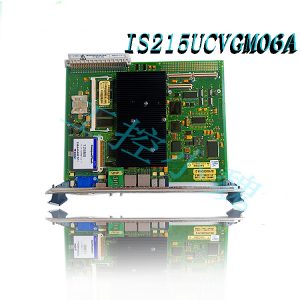
-300x300.jpg)
admin –
IS230SNIDH1A is an Isolated Digital DIN-Rail Module manufactured and designed by General Electric.
admin –
Status LED – Operational Insights:
The status LED is a valuable source of information about the current operating status of a circuit board. It conveys important details through different lighting modes:
Flashing green (during operation):
When the circuit board is running, the status LED usually flashes green.
The flashing green light indicates that the board of directors is operating as expected and is in a state of readiness to complete its expected tasks.
admin –
https://www.weikunfadacai1.com/product/is230snidh1a-mrp689579-ge/
In-depth Analysis of IS230SNIDH1A | GE Mark VIe Isolated Digital DIN Rail Module
As a core component of the GE Speedtronic Mark VIe/VIeS control system, the IS230SNIDH1A module focuses on high-reliability digital signal isolation and transmission, and is widely used in gas turbines, power plants, and industrial automation scenarios. The following analysis covers four aspects: technical characteristics, system integration, application scenarios, and maintenance support.
I. Core Technical Characteristics
Signal Processing Capabilities
Multi-type Digital Signal Compatibility: Supports digital input/output, adapts to 24V DC/125V DC industrial field switch signals, inter-channel isolation voltage 1500Vrms, system-side isolation 2500Vrms, built-in EMC filtering circuit, conforms to IEC 61000-4 immunity standard.
Redundancy and Response: Employs TMR triple-modulus redundancy design to ensure that a single point of failure does not affect system operation; maximum response time ≤25ms, supports both hardware filtering (4ms) and software filtering mechanisms.
Physical Specifications: DIN rail mounting (35mm standard), dimensions approximately 17.8cm × 33.0cm × 12.7cm, weight approximately 1.2kg, operating temperature -40℃ to +70℃, IP20 protection, MTBF ≥ 200,000 hours, UL/CE certified.
Communication and Interfaces
Connects to the TCAT terminal board via a 68-pin cable, adaptable to simplex/duplex/TMR system architectures; dual 10/100BaseT Ethernet ports support IONet redundancy protocol, automatic link switching in case of network failure.
Integrates high-density European terminal blocks, compatible with Modbus TCP, IONet, and DCS/SCADA systems, supporting remote diagnostics and firmware upgrades.
II. System Integration and Compatibility
Hardware Connection: Directly connects to the Mark VIe control system as a terminal board, communicating with the controller via PR1/PR2/PS1/PS2 interfaces, supporting ToolboxST software for I/O packet configuration, firmware upgrades, and status monitoring.
Protocol Support: Compatible with Modbus TCP, IONet, and mainstream DCS/SCADA systems, seamlessly integrating with PLCs and DCS for data acquisition and remote monitoring.
Expandability: Modular design supports hot-swapping, compatible with Mark VIe series controllers (such as IS200TBAIH1C and IS230TBAIH2C), and can be expanded to a multi-module architecture.
III. Application Scenarios and Value
Core Industrial Scenarios
Gas Turbine Control: Monitors combustion chamber temperature and exhaust temperature, supporting PID closed-loop control and over-temperature protection to prevent unplanned shutdowns. For example, in combined cycle power plants, real-time acquisition of digital signals ensures continuous system operation, increasing annual power generation by approximately 6 million kWh.
Power Plants and Oil & Gas: Monitors transformer oil temperature, pipeline pressure, and valve status, supporting SCADA system fault diagnosis; used for equipment condition monitoring and remote control in the oil and gas industry.
Industrial Automation: Acquires switch signals (such as equipment start/stop and limit switches) in production lines, supporting PLC control logic and fault diagnosis; adaptable to the high reliability requirements of industries such as steel metallurgy and rail transportation.
Special Industry Expansion: Suitable for harsh environments such as semiconductor manufacturing and aerospace; adaptable to explosion-proof, dust-proof, and high-vibration scenarios; supports redundant architecture to ensure that a single point of failure does not affect overall operation.
Interlocking Protection Mechanism: Interlocks with protection modules such as IS230TPROS1A, triggering emergency shutdown when temperature/pressure exceeds thresholds to ensure equipment safety.
IV. Maintenance and Support
Reliability Assurance: Built-in self-diagnostic functions (channel-level short/open circuit detection, electronic ID verification, internal temperature alarm), combined with LED status indicators for rapid fault location. Supports hot-swappable operation; modular design simplifies on-site maintenance.
Regular Maintenance Recommendations: Check module status via LED status lights; keep the cabinet well-ventilated and clean; regularly perform firmware upgrades and calibrations to ensure stable performance. It is recommended to check the power supply, air supply, and sensor status quarterly to prevent common faults.
In summary, the IS230SNIDH1A, with its high-precision digital signal isolation, TMR redundant architecture design, and industrial-grade environmental adaptability, has become a core component for digital signal transmission in Mark VIe systems. Its precise signal control and reliable fail-safe mechanisms significantly improve the safety and operational efficiency of industrial control systems, making it suitable for the stringent requirements of high-risk scenarios such as power generation, petrochemicals, and metallurgy.