
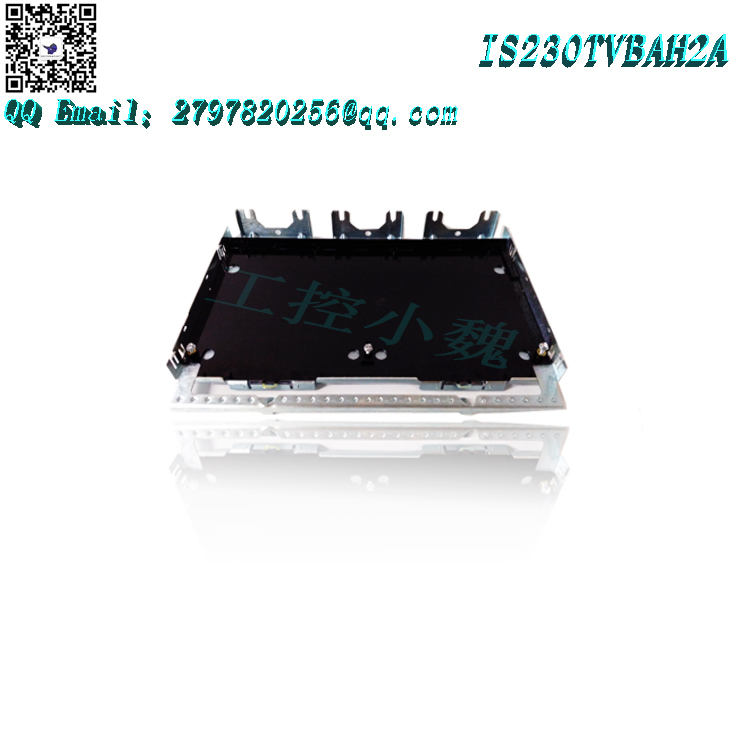
.jpg "IS230TVBAH2A(1)")
.jpg "IS230TVBAH2A(2)")
Description
IS230SNRTH2A – The RTD input module is in stock and will be shipped on the same day.
IS230SNRTH2A – The RTD input module is in an unused and rebuilt state.
To get the best discount on IS230SNRTH2A – RTD input module, please contact us and we will reply to you within 24 hours.
IS230SNRTH2A Other names:
Input/output module IS230SNRTH2A
IS230SNRTH2A controller module
Analog module IS230SNRTH2A
The IS230SNRTH2A RTD input module is a commonly used input device in industrial automation systems, mainly used to process temperature input modules. It can measure temperature through thermistors, thermocouples, or thermistors. The RTD input module can provide terminals I+and I – current for resistance measurement, and the current flows through the resistance to measure its voltage. This type of module typically has multiple isolated differential RTD input channels, and each channel supports different types of resistors such as platinum, nickel, nickel iron, copper, etc., while also being compatible with direct resistor input.
Taking GE Fanuc General Electric’s IC695ALG508 Resistance Temperature Detector (RTD) input module as an example, it is part of the PACSystem RX3i Programmable Automation Controller (PAC) platform and has eight isolated differential RTD input channels. When configuring RTD analog inputs, users can choose different RTD types and wire systems, such as 4-wire, 3-wire, or 2-wire resistors, as well as corresponding wire systems for thermistors, to obtain high-precision measurement results.
Overall, the IS230SNRTH2A RTD input module plays an important role in industrial automation systems, capable of accurately and reliably measuring temperature and providing critical data for industrial process control and monitoring.
The IS230SNRTH2A RTD (Resistance Temperature Detector) input module plays a crucial role in industrial automation systems, used to process temperature related input signals.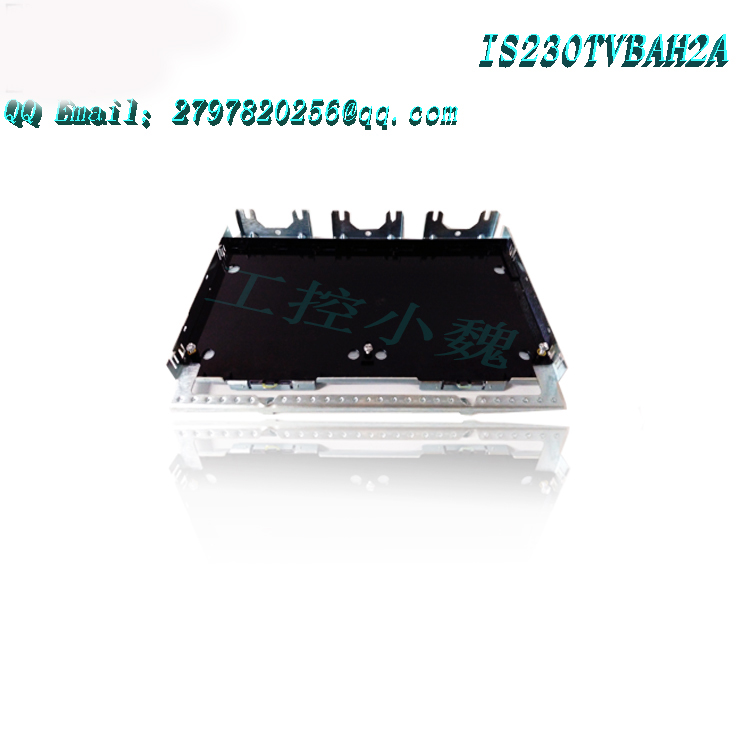
The following are some of the main features of the RTD input module:
Signal compatibility: The IS230SNRTH2A RTD input module supports multiple signal inputs, including voltage, current, and resistance signals. Specifically, it can process current signals such as 0-20 mA, 4-20 mA, voltage signals of+50mV,+150 mV, 0-5 V, 1-5 V, 0-10 V, and resistance signals ranging from 0 to several thousand ohms. In addition, it also supports various types of RTD sensors and thermocouple inputs.
Power consumption and power: IS230SNRTH2A RTD input modules typically have lower power consumption, with some modules having a maximum power consumption of 5.4 watts. The internal rated power varies depending on the specific model, but generally within the range of hundreds of volts, the corresponding current is a few milliamperes.
Channel configuration: Input channels are usually divided into multiple groups, each containing multiple channels. For example, some modules have 2 groups of channels, each with 4 channels, for a total of 8 channels. This configuration enables the module to process multiple input signals simultaneously, improving the parallel processing capability of the system.
Working principle: The working principle of the IS230SNRTH2A RTD module is based on the relationship between the resistance value of metal resistance components and temperature. When the ambient temperature changes, the resistance value of the metal resistance will also change accordingly. By measuring the resistance value and based on its relationship curve with temperature, the current temperature value can be accurately obtained.
Protection and authentication: Some advanced RTD input modules also have various protection measures, such as transient protection, continuous input protection, etc., to ensure that the module can still operate stably in harsh environments. Meanwhile, these modules typically undergo various certifications such as CSA, FM, CE, and ATEX to meet the safety and compliance requirements of different countries and regions.
All products on this website are special products, and market prices have been fluctuating,
The specific customer service quotation shall prevail, as the product is a new product and the price is not genuine,
Please confirm the model, product, price, and other detailed information with customer service before placing an order. The website has been used,
The new one is for sale, please contact customer service to communicate.
Warehouse stock recommendation:
IS230TNTRH1C
IS230TNTRH1C
IS230SNRTH2A
IS230SNRTH2A
IS230SNRLH2A
IS230TNEAH2A
IS230SNAIH4A
IS230TCATH1A
IS230PCAAH1B
IS230PCAAH1A
More……
-300x300.jpg)
admin –
Manufacturer and Series: A core component of the GE Speedtronic Mark VIe/VIeS control system, specifically designed for industrial temperature measurement, this is a dedicated RTD (Resistant Temperature Detector) input module.
Core Functions: Utilizing high-precision signal processing technology, it acquires and converts temperature signals from RTDs (such as PT100, PT1000, etc.), supports redundant power inputs and dual Ethernet communication, ensuring stable operation of industrial control systems.
Key Features:
Signal Processing Capabilities
Multi-Type RTD Compatibility: Supports common RTDs such as PT100, PT1000, and Cu50. Four-wire measurement eliminates lead resistance errors, ensuring temperature measurement accuracy ≤ ±0.3℃ (25℃ environment), meeting stringent industrial requirements.
Signal Conditioning Circuit: Built-in high-precision excitation current source (typically 250μA), low-noise amplifier, and linearization chip, achieving non-linear conversion between RTD resistance and temperature, adaptable to a wide temperature range of -200℃ to 850℃.
Electromagnetic Compatibility (EMC): Employs differential signal transmission, shielded grounding, and digital filtering technologies to effectively suppress electromagnetic interference in industrial environments, passing IEC 61000-4 series immunity tests.
Channel Configuration: Integrates multiple RTD input channels, supporting signal fan-out distribution to multiple control modules, adaptable to simplex/duplex/TMR system architectures.
Interference Immunity Design: Built-in signal isolation circuitry and filtering functions effectively suppress electromagnetic interference, ensuring accurate signal acquisition.
Redundant Architecture and Fault-Safe Mechanism
Dual Power Supply Redundancy: Supports dual 28V DC redundant power supply; automatically switches to backup power in case of single power supply failure, ensuring continuous module operation; built-in power monitoring circuitry detects voltage fluctuations in real time and triggers alarms.
Dual Ethernet Redundancy: Equipped with dual 10/100BaseT Ethernet ports, supporting the IONet redundancy protocol for high-availability data exchange between the controller and modules; automatically switches to backup link in case of network failure, ensuring communication continuity.
Self-diagnostic functions: Channel-level short/open circuit detection, electronic ID verification, internal temperature alarm, and LED status indication; combined with ToolboxST software for remote fault diagnosis and firmware upgrades.
Installation and Integration
Standard DIN rail mounting: Size adapted to the compact layout of the control cabinet, supporting modular expansion.
Terminal connection: Uses European-style pluggable terminals for easy field I/O wiring and maintenance.
Environmental adaptability: Industrial-grade temperature resistance (-40℃ to +85℃), shockproof, and dustproof design, meets EMC interference standards, and is suitable for harsh industrial environments.
Modular integration and expansion capabilities
DIN rail mounting: Standard size adapted to the compact layout of the control cabinet, supports hot-swappable operation, facilitating field maintenance and expansion.
Terminal configuration: Uses European-style pluggable terminals, supporting multi-channel RTD signal fan-out distribution to the control module; the JGPA auxiliary board provides additional shielded terminals and 24V DC output, adapting to complex system architectures.
Compatibility Verification: Seamlessly integrates with Mark VIe series I/O terminal boards (such as TBCA), controllers (such as R/S/T series), and ToolboxST software, supporting simplex/duplex/TMR (triple redundancy) system configurations.
Technical Specifications
Power Supply Specifications: 28V DC redundant input, supports soft start/current limiting, power consumption approximately 10-15W.
Interface Configuration: Dual RJ45 Ethernet ports, multiple RTD input terminals, power connector.
Physical Characteristics: Aluminum alloy housing, dimensions approximately 17.7cm × 13.8cm × 7.9cm, weight approximately 0.8kg, conforms to DIN rail mounting standards.
Diagnostic Functions: Channel-level status LED indicators, electronic ID verification, Ethernet status monitoring, and internal temperature alarm.
Application Scenarios
Core Areas: Gas turbine control, power plant automation, petrochemical, steel and coal, semiconductor manufacturing, and other industrial scenarios.
Typical Scenarios:
Temperature Monitoring: Serves as the RTD signal processing hub in the Mark VIe system, connecting to temperature sensors to support PID closed-loop control, data acquisition, and fault diagnosis.
Redundant System: Acts as a critical protection component in the TMR (Triple Redundancy) system, ensuring continuous system operation.
Combined Cycle Power Plant: Serves as the network hub for the gas turbine and steam turbine control systems, carrying high-speed transmission of control commands, process data, and diagnostic information.
Maintenance and Support
Reliability Assurance: MTBF ≥ 100,000 hours, industrial-grade EMC anti-interference design, adaptable to harsh environments.
Spare Parts Management: Recommended storage in anti-static bags in a dry environment. Regularly check module status via LED indicator lights, and maintain cabinet ventilation and cleanliness.
Environmental Adaptability and Reliability Assurance
Industrial-Grade Weather Resistance: Operating temperature range -40℃ to +85℃, meets IP20 protection standards, built-in dust filter and heat dissipation design, adaptable to harsh environments such as high humidity, high dust, and high vibration.
Long Lifespan Design: Employs industrial-grade components and fanless cooling, with an MTBF ≥ 100,000 hours; the aluminum alloy housing provides electromagnetic shielding and mechanical protection, and is UL/CE certified.
Maintenance Support: GE provides a 3-year warranty, rapid repair service, and technical documentation support; it is recommended to periodically check the module status via LED indicators and perform firmware upgrades and parameter calibration using ToolboxST software.
Compatibility
System Compatibility: Fully compatible with GE Mark VIe/VIeS control systems, and can be used as a dedicated RTD input module in the system.
Module Compatibility: Supports seamless integration with other GE modules and systems, such as TCAT terminal boards and PCAA modules, to achieve signal sectoring and expansion functions.
Summary: The IS230SNRTH2A, with its high-precision signal processing, redundant architecture design, modular integration capabilities, and industrial-grade environmental adaptability, has become a core component for temperature monitoring in Mark VIe systems. Its precise RTD signal acquisition and reliable fault-tolerant mechanism significantly improve the safety and operation and maintenance efficiency of industrial control systems, making it suitable for the stringent requirements of high-risk scenarios such as power generation, petrochemicals, and metallurgy.
https://www.weikunfadacai1.com/product/is230snrth2a-ge/
admin –
https://www.weikunfadacai1.com/product/is230snrth2a-ge/
IS230SNRTH2A | In-depth Analysis of GE Mark VIe RTD Input Module Features
As a core component of the GE Speedtronic Mark VIe control system, the IS230SNRTH2A focuses on high-precision RTD (Resistance Temperature Detector) signal acquisition and industrial-grade reliability design, and is widely used in temperature monitoring scenarios of gas turbines, steam turbines, and combined cycle power plants. The following analysis covers four aspects: technical characteristics, system integration, application scenarios, and maintenance support.
I. Core Technical Characteristics
Signal Processing Capabilities
Multi-Type RTD Compatibility: Supports 8-channel RTD input (e.g., Pt100/Pt1000/Cu50/Cu100), measurement range -200℃ to +850℃, accuracy ±0.1℃ (0-100℃)/±0.2℃ (-200℃ to 850℃), adaptable to 2/3/4-wire configurable compensation, meeting the complex wiring requirements of industrial sites.
Redundancy and Interference Immunity: Channel-to-channel isolation voltage 2kVrms; system-side isolation compliant with IEC 61508 SIL 2 certification; built-in EMC filtering circuitry for high electromagnetic interference environments.
Extended Communication: Connects to TCAT terminal boards via 68-pin cable, adaptable to simplex/duplex/TMR system architectures; dual 10/100BaseT Ethernet ports support IONet redundancy protocol, automatic link switching in case of network failure. Integrated high-density European-style terminal blocks, hot-swappable, compatible with Mark VIe series controllers.
Physical Specifications:
DIN rail mounting (35mm standard), dimensions approximately 200mm × 150mm × 50mm, weight approximately 1kg, operating temperature -40℃ to +70℃, IP20 protection, MTBF ≥ 200,000 hours, UL 508/CE certified.
II. System Integration and Compatibility
**Hardware Connection:** As a terminal board, it directly connects to the Mark VIe control system, communicating with the controller via PR1/PR2/PS1/PS2 interfaces. It supports ToolboxST software for I/O packet configuration, firmware upgrades, and status monitoring.
**Protocol Support:** Compatible with Modbus TCP, IONet, and DCS/SCADA systems. It can directly connect to the plant-level cloud platform for remote diagnostics and firmware upgrades.
**Redundancy Design:** Supports a TMR tri-mode redundancy architecture, ensuring that a single point of failure does not affect the overall system operation, adapting to the high reliability requirements of critical equipment such as gas turbines and generators.
III. Application Scenarios and Value
**Core Industrial Scenarios:**
**Gas Turbine Control:** Monitors combustion chamber and exhaust temperatures, supporting PID closed-loop control and over-temperature protection to prevent unplanned shutdowns. For example, in combined cycle power plants, real-time acquisition of RTD signals ensures continuous system operation, increasing annual power generation by approximately 6 million kWh.
Petrochemical Industry: Achieves precise temperature control in reaction vessels and distillation towers to prevent thermal runaway accidents; compatible with 4-20mA signal output to DCS systems.
Power System: Monitors transformer oil temperature and cable joint temperature, supporting SCADA system fault diagnosis; coordinates excitation regulation and voltage stabilization in generator excitation control cabinets.
Special Industry Expansion: Suitable for harsh environments such as semiconductor manufacturing and aerospace, adaptable to explosion-proof, dust-proof, and high-vibration scenarios.
Interlocking Protection Mechanism: Interlocks with protection modules such as IS230TPROS1A, triggering emergency shutdown when the temperature exceeds the threshold to ensure equipment safety.
IV. Maintenance and Support
Reliability Assurance: Built-in self-diagnostic functions (channel-level short/open circuit detection, electronic ID verification, internal temperature alarm), combined with LED status indicators for rapid fault location. Supports hot-swappable operation; modular design simplifies on-site maintenance.
Regular Maintenance Recommendations: Inspect module status via LED status lights; maintain cabinet ventilation and cleanliness; regularly perform firmware upgrades and calibrations to ensure stable performance.
In summary, the IS230SNRTH2A, with its high-precision RTD signal acquisition, TMR redundant architecture design, and industrial-grade environmental adaptability, has become a core component for temperature monitoring in the Mark VIe system. Its precise signal control and reliable fail-safe mechanisms significantly improve the safety and operational efficiency of industrial control systems, making it suitable for the stringent requirements of high-risk scenarios such as power generation, petrochemicals, and metallurgy. For more detailed technical parameters or application cases, it is recommended to consult GE’s official documentation or contact authorized dealers for support.