
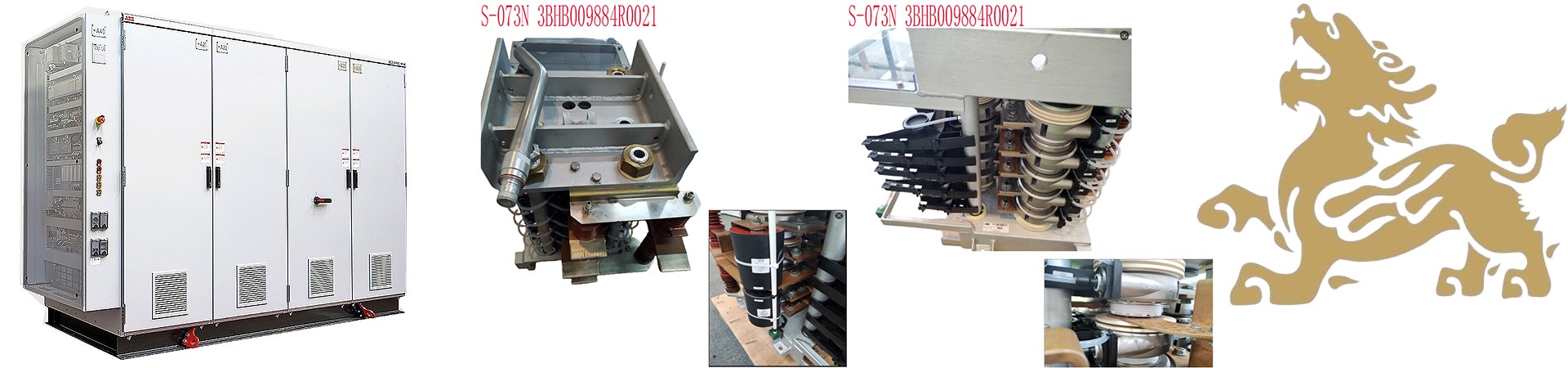
Description
Many products are not yet listed. Please contact us for more product information.
If the product model differs from the displayed image, the model number shall prevail. Please contact us for specific product images; we will arrange to take photos in our warehouse for confirmation.
We have 76 shared warehouses worldwide, so it may sometimes take several hours to accurately return the information to you. We apologize for the inconvenience. Of course, we will respond to your inquiries as soon as possible.
PLC power supplies are industrial isolated switching power supplies, mainly divided into AC input type (AC100/220V input) and DC24V input type. Internally, they are divided into four main circuit levels, progressively converting, isolating, regulating, and protecting the voltage, ultimately outputting multiple DC channels to the PLC backplane and peripherals.
I. Basic Power Supply Functions
External Input Conversion
Receives AC220V/AC110V mains power or DC24V industrial voltage, converting it into multiple stable low-voltage DC power supplies required by the PLC:
DC24V: Powers digital input/output terminals, external sensors, and solenoid valves;
DC5V: Powers the CPU motherboard, backplane bus, communication chips, and internal logic circuits;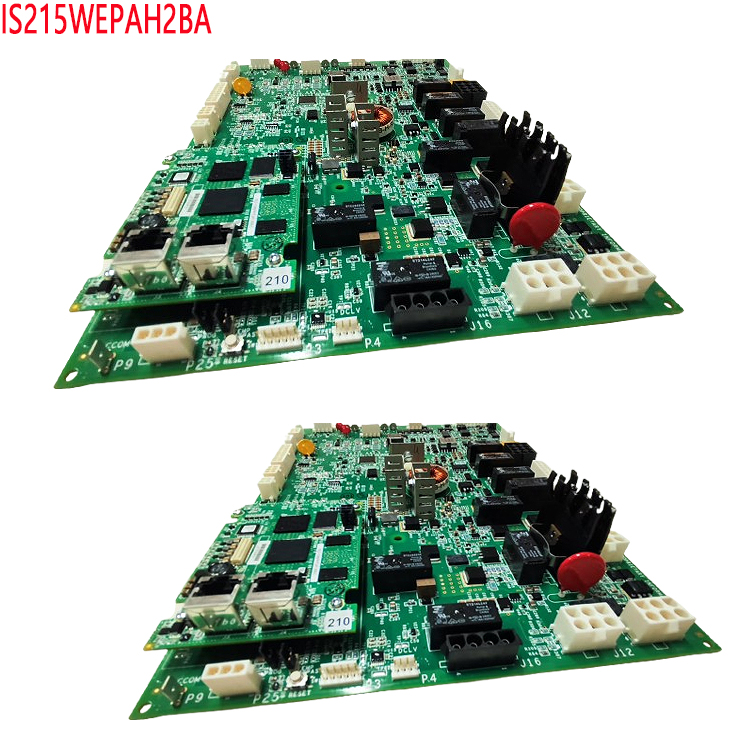
DC±15V: Powers analog signal acquisition modules and transmitters.
Backplane Bus Power Supply: Provides unified power to the CPU, I/O modules, communication modules, and special function modules through the PLC backplane slots, forming the power foundation for data interaction and operation of each module.
II. Voltage Stabilization, Filtering, and Interference Suppression
In industrial environments, frequency converters, contactors, and motor start-stop operations generate voltage surges, harmonics, and noise interference.
Built-in EMC filter circuit absorbs grid spikes and lightning surges.
Wide voltage regulation ensures stable output within ±20% grid voltage fluctuations, preventing PLC crashes and malfunctions.
Isolation of strong and weak currents; isolates AC input from internal DC circuits, preventing external short circuits from damaging the main control chip.
III. Protection Functions (Safety Core)
Overcurrent Protection: Automatically limits current/cuts off output when external sensors or loads are short-circuited, protecting the CPU and I/O boards from burnout.
Overvoltage Protection: Quickly shuts off output when input voltage abnormally rises.
Overheat Protection: Reduces power or shuts down under prolonged full load or high ambient temperatures to prevent component burnout.
Reverse Connection Protection: DC input power supply; reversing polarity will not directly damage the module.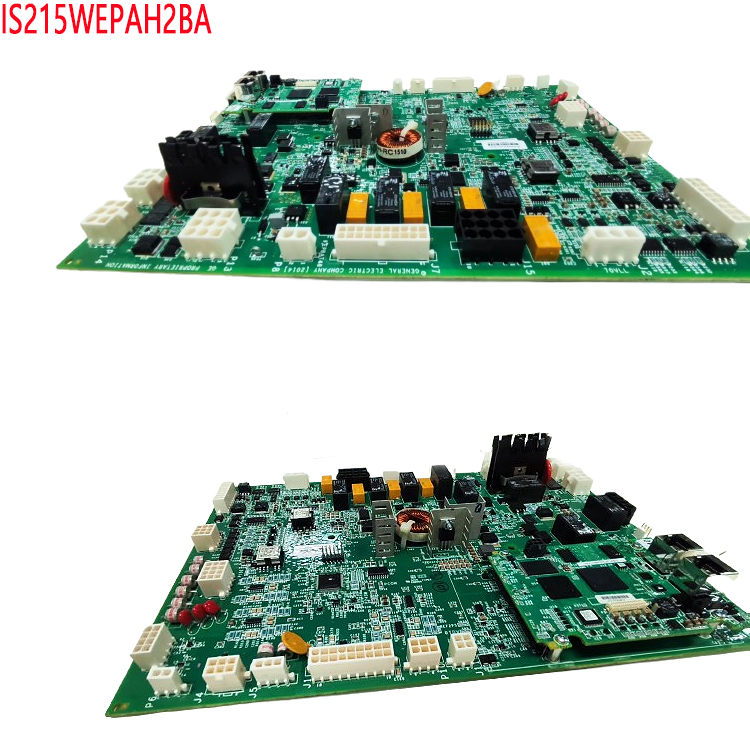
IV. Status Monitoring and Fault Alarm
Panel POWER Indicator: Solid = Normal power supply; Off/Blinking = Power failure, overload, fault;
Equipped with fault signal contacts, allowing connection to PLC input points or audible and visual alarms for remote reporting of power failures;
Redundant power supply models (dual power supply) automatically detect both inputs, seamlessly switching power in case of a fault in one, ensuring uninterrupted equipment operation.
V. Extended Load Power Supply: Features an independent DC24V auxiliary output terminal, eliminating the need for an external switching power supply. It directly powers proximity switches, photoelectric sensors, relays, and small valves, simplifying control cabinet wiring.
VI. Redundancy Backup (High-end models only)
Large PLCs (such as Siemens S7-400, Rockwell ControlLogix) with redundant power supplies:
Two power supplies operate in parallel. If either power supply fails or is damaged, the other instantly takes over, ensuring uninterrupted operation of the control system. This is commonly used in production lines, chemical plants, power plants, and other critical equipment where downtime is not permitted.
Working Principle
I. First Stage: EMI Filtering and Input Rectification (Pre-stage Interference Suppression)
EMC Filtering Circuit: Composed of a common-mode inductor and X/Y capacitors, filtering factory power grid interference: inverter harmonics, contactor arcing, lightning surges, preventing bidirectional interference from entering (power grid interference entering the PLC, causing high-frequency noise pollution of the power grid).
Surge Absorption: Varistors and TVS diodes absorb voltage spikes, preventing instantaneous high voltage from damaging downstream components.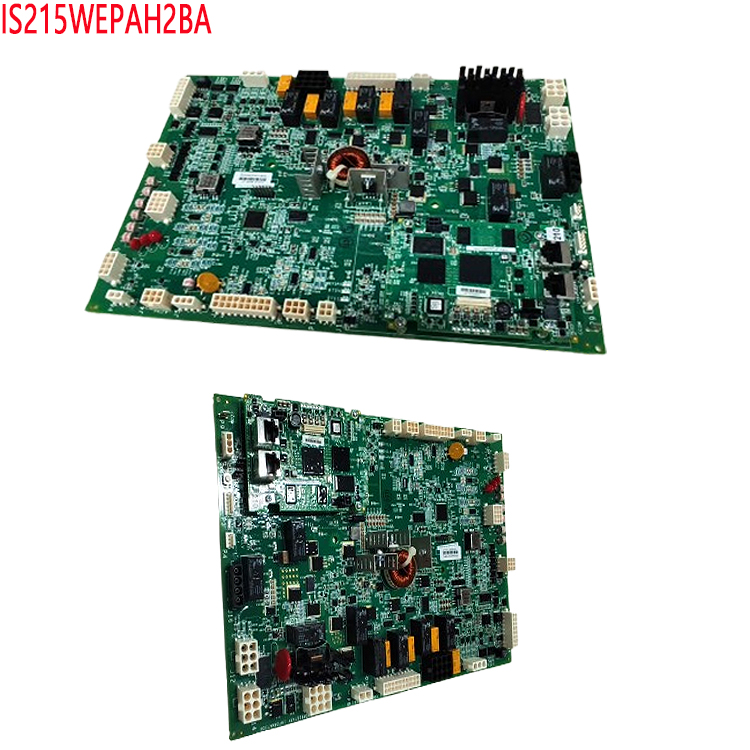
Rectifier Bridge + Filtering Capacitor: AC power is rectified by a bridge rectifier into pulsating DC power, and a large-capacity electrolytic capacitor smooths the voltage, resulting in a high-voltage DC bus voltage (approximately 310V DC for AC220V input).
II. Second Stage: Switching Inverter and High-Frequency Isolation (Core Conversion Stage)
This is the biggest difference between a switching power supply and a conventional linear power supply.
PWM Control Chip: Generates high-frequency pulse signals (tens of kHz to hundreds of kHz) to control the high-speed switching of power MOSFETs.
Power Switching Transistor: Transforms stable high-voltage DC into high-frequency intermittent pulsed DC.
High-Frequency Isolation Transformer
Electrical Isolation: Completely isolates the high-voltage AC side from the low-voltage DC side of the PLC, preventing high-voltage interference that could burn out the CPU and protecting personal safety.
Voltage Conversion: Reduces voltage by adjusting the turns ratio of the primary and secondary coils.
High-Frequency Characteristics: High-frequency transformers are much smaller than power-frequency transformers, resulting in compact modules.
Principle Summary: DC → High-frequency AC voltage reduction → Isolation, achieving separation of strong and weak currents.
III. Third Stage: Secondary Rectification and Multi-channel Regulated Output
The transformer secondary outputs low-voltage, high-frequency AC power, distributed into multiple independent circuits:
Multi-channel synchronous rectification circuit
Generates three core voltages:
DC5V: Powers the CPU, backplane bus, logic chips, and communication circuits (core power supply, highest accuracy requirement)
DC24V: Powers external sensors, solenoid valves, and I/O terminal loads
±15V: Dedicated power supply for analog modules and transmitters
Feedback Regulated Circuit (Closed-Loop Control)
Voltage is sampled at the DC5V main output and fed back to the PWM chip:
Output voltage too high → PWM duty cycle decreases, reducing output;
Output voltage too low → PWM duty cycle increases, increasing output;
Real-time dynamic adjustment ensures voltage stability during grid fluctuations and load changes.
IV. Level 4: Complete Hardware Protection Circuit (Throughout the Entire Process)
All protections are monitored in real time. Upon triggering, the PWM output is immediately locked to prevent PLC burnout.
Overcurrent Protection (OCP): Samples the main circuit current; output is cut off in case of IO short circuit or sensor short circuit.
Overvoltage Protection (OVP): Directly shuts down the system if the output voltage rises abnormally.
Undervoltage Protection (UVP): Provides early warning in case of power outage or low voltage to prevent abnormal CPU reset.
Overheat Protection (OTP):
NTC thermistor monitors internal temperature; power is reduced or the system shuts down in case of high temperature.
Input Reverse Connection Protection (DC Power Supply):
Prevents module damage from reversed 24V DC polarity connection.
Short Circuit Self-Lockout: The module locks up after a severe short circuit; it can only be restored after troubleshooting and power-off restart to prevent repeated load impacts.
V. Backplane Power Supply and Status Indication Logic
Multiple regulated DC power supplies provide parallel power to the CPU, I/O, and communication modules via the backplane metal bus.
An independent auxiliary DC24V terminal is provided specifically for powering external field components.
The power board has a built-in detection circuit driving the POWER indicator lights:
Normal outputs → Solid green light; Any undervoltage/overcurrent/overheating → Light off or flashing, backplane power supply cut off.
Recommended related products:
IS200WEMAH1ACA
IS215WEMAH1BA
PR6423/010-040 CON021
HYUNDAI HX-50 HX-50
HYUNDAI HEAVY INDUSTRIES-HHI PMS AC110
HYUNDAI HX-50 HX-50
HYUNDAI HEAVY INDUSTRIES-HHI PMS AC110
HYUNDAI HEAVY INDUSTRIES-HHI ACONICS-PMS-MB S27 091028 VER1.1
HYUNDAI DAAN 204C1114 SUB-K069
HYOMYUNG ELECTRONICS HM48DD
HINOX ESI2-2.5E
HINOX ES208-R
GM INTERNATIONAL PSD1001
FOXBORO INVENSYS FPS400-24-P0922Y
More……

Reviews
There are no reviews yet.