
Description
Many products are not yet listed. For more products, please contact us.
If the product model differs from the displayed image, the model number takes precedence. For specific product images, please contact us, and we will arrange to take photos of the product in our warehouse for confirmation.
We have 76 shared warehouses worldwide, so it may take a few hours to provide you with an accurate response. Please understand. We will reply to your inquiries as soon as possible.
Other names for ESM-21:
I/O Module ESM-21
ESM-21 Analog Input Module
Digital Input Module ESM-21
Core Function: Connects sensors, actuators, and other devices, converting physical signals (such as temperature, pressure, and speed) into digital signals for real-time monitoring and control system decision-making. Supports mixed digital/analog signal processing and is a key component for engine automation control.
Input/Output Configuration
The module integrates 10 isolated digital input channels, supporting switch contact signals (PNP/NPN) and level signals (high level 4.0-30V, low level ≤1V), with an isolation voltage of up to 2500VDC, meeting industrial-grade anti-interference requirements. Communication protocols are compatible with Modbus-RTU, CAN Bus, and Ethernet, supporting RS-485 interface (GND/485-A/485-B terminals), with configurable data transmission rates (9600-115200bps).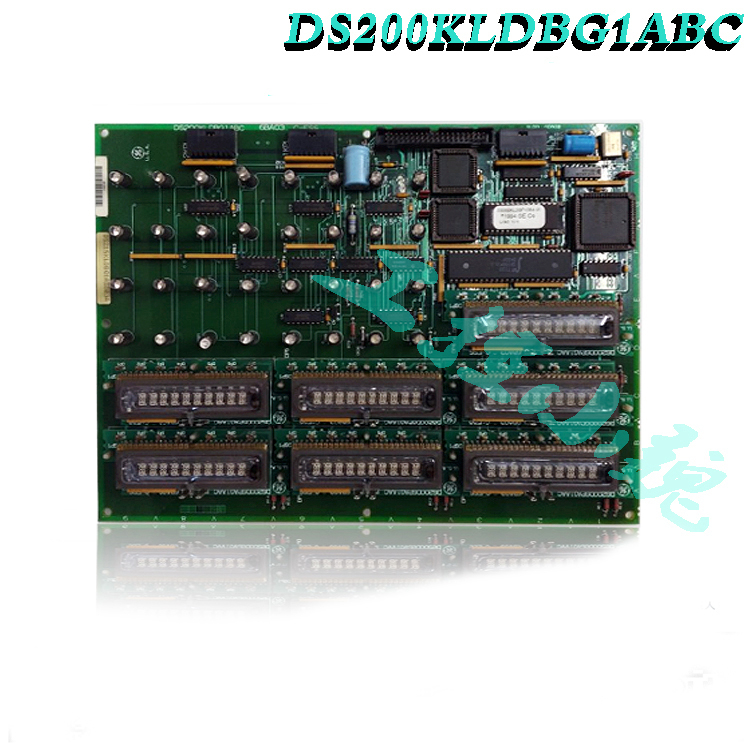
Electrical and Physical Characteristics
Power supply voltage range: 9-30VDC, with built-in reverse polarity protection and overvoltage/overcurrent protection. Operating temperature: -20℃ to 85℃, meeting industrial-grade dustproof and shockproof standards (IP40 protection level), suitable for harsh environments such as ships and power plants. The module is compact, supports DIN rail mounting, and has clearly labeled terminals (e.g., DI0-DI9, IN-GND, VCC/GND). Installation and Configuration Procedure
Installation Steps
Environment Preparation: Ensure the rack temperature, humidity, and electromagnetic interference levels meet specifications. Use a multimeter to check the power supply stability (24V DC ±10%). Wear an anti-static wristband and ensure proper grounding.
Physical Installation: Align the module with the rack slot and secure it with screws to prevent loosening. Connect the power supply (VCC/GND), digital input lines (DI0-DI9), and communication lines (485-A/B), paying attention to polarity.-1.jpg)
Configuration Initialization: Short-circuit the INIT terminal to GND to trigger the default communication parameters (address 1, baud rate 9600bps, Modbus-RTU). Use the WM-IO device debugging assistant or TIA Portal configuration tool to modify the address, parity, etc. A power cycle is required after configuration to activate the changes.
Maintenance and Troubleshooting
Routine Maintenance
Inspection Points: Check the power indicator (PWR), operation status indicator (RUN), and communication indicator (TXD/RXD). Regularly calibrate sensor accuracy (deviation ≤ ±0.5%). Clean dust from the terminal block and module surface.
Calibration Method: Use a standard signal source (e.g., 4-20mA current source) to verify the input channel. Read the register data using Modbus function code 03 and compare the actual value with the theoretical value.
Troubleshooting
Indicator Light Issues: A flashing DIAG light may indicate communication failure or a sensor disconnection. Check the bus connection, shielding grounding, and cable integrity.
Data Drift: Investigate poor grounding, electromagnetic interference, or module aging. Use an oscilloscope to check the signal waveform and confirm the absence of noise interference.-1.jpg)
Compatibility Issues: Verify the compatibility of the main control system version and module firmware. Avoid protocol conflicts (e.g., mixing Modbus and PROFINET). Industry Applications and Expansion
Key Application Areas: Widely used in marine propulsion systems, power generation (such as diesel/gas engines), and industrial automation, playing a crucial role as the “control center” in Wärtsilä’s large engine systems.
Typical Applications:
Engine status monitoring (e.g., RPM, oil pressure, exhaust temperature).
Actuator control (e.g., fuel injection, valve opening/closing).
Data acquisition and transmission, supporting remote diagnostics and system optimization.
Marine Propulsion Systems: Compatible with Wärtsilä 31/46F engines, enabling real-time monitoring and control of parameters such as RPM, temperature, and pressure, supporting fault diagnosis and automatic shutdown protection.
Industrial Power Generation: Used for distributed energy unit control, integrated into SCADA systems for remote monitoring, and supporting Modbus TCP/IP communication with PLC and DCS systems.
All products on this website are special products, and market prices fluctuate.
The final price will be based on the quotation from customer service. Since these are new products, the prices shown are not definitive.
Please confirm the model, product details, and price with customer service before placing an order.
The website is currently being updated; please contact customer service for further information.
Related product recommendations:
ALSTOM AL129A
HYUNDAI ELEVATOR MCPU-SMW0980016-H25A-204C1699
HYUNDAI ELEVATOR CAR-CAN-204C2517
HYUNDAI ELEVATOR 204C2519 SIO BOARD V-01
HYUNDAI CPU 204C1103 SUB-DA082 EL ELEVATOR-DAAP
HYUNDAI 204C1538 SUBA R3C STD-K105
HYUNDAI 204C1123 SUB-K086
HYUNDAI 204C1118 SUB-02 K085
HYUNDAI 204C1113 SUB-02 DA084
HYUN JIN WK-103-1 96.7
HYUN JIN WK-103-1 96.1
HYUN JIN WK-103 95.10
HRP CONTROLS 73.00.0025.00 REV.F2
HRP CONTROLS 73.00.0025.00
HRP CONTROLS 73.00.0007.00
HRP CONTROLS 73.00.0002.00-REV-D
More……

Reviews
There are no reviews yet.